Biometric-Linked Health Insurance: The Future of Personalized Wellness and Underwriting

The landscape of global healthcare and insurance underwriting is undergoing a monumental paradigm shift. Driven by rapid advancements in wearable technology, Internet of Medical Things (IoMT), and artificial intelligence, traditional risk-assessment frameworks are giving way to dynamic, real-time paradigms. At the forefront of this revolution is Biometric-Linked Health Insurance—a modern insurance model that integrates real-time physiological data from policyholders to personalize premiums, incentivize healthy behaviors, and optimize underwriting accuracy.
Historically, health insurance pricing relied heavily on static, retrospective demographic data such as age, gender, medical history, and geographic location. However, this approach fails to account for an individual’s daily lifestyle choices and current physiological state. By leveraging continuously tracked biometric data, modern insurers are transitioning from a passive role of damage control to an active role of health promotion and risk mitigation.
Understanding Biometric-Linked Health Insurance
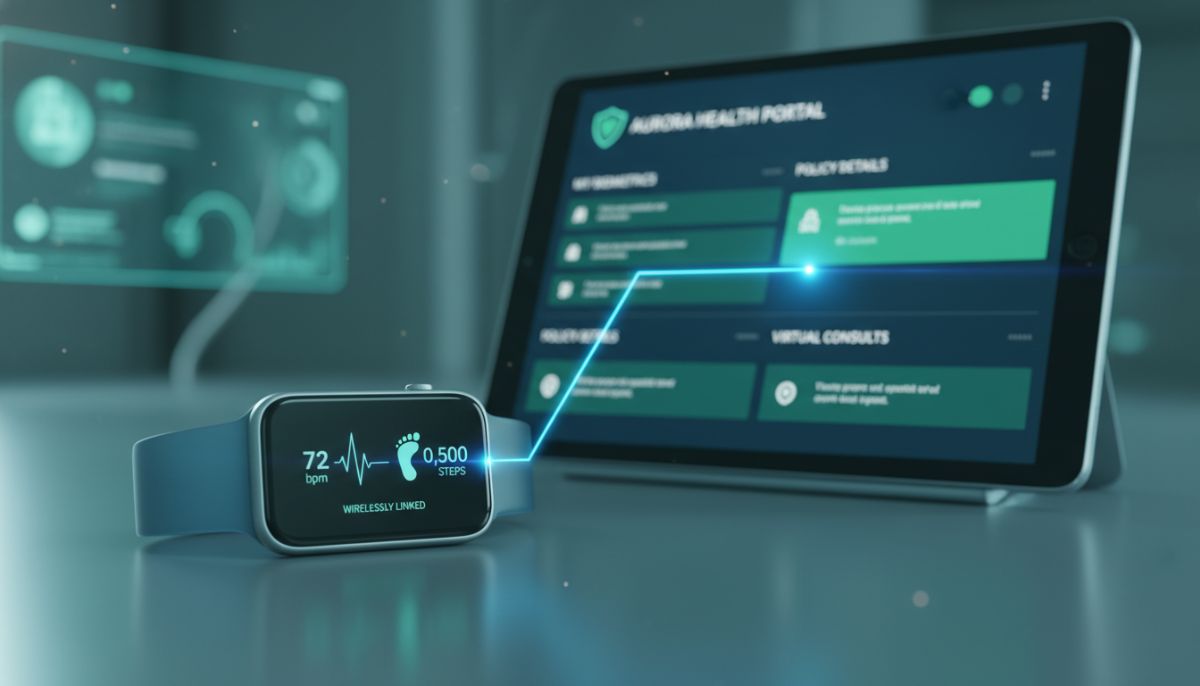
Biometric-Linked Health Insurance operates on a continuous feedback loop between the policyholder, their wearable device, and the insurer’s underwriting algorithms. Through devices such as smartwatches, fitness trackers, and continuous glucose monitors (CGMs), policyholders share specific biomarkers. These biomarkers include:
- Physical Activity: Daily step counts, active minutes, and calorie expenditure.
- Cardiovascular Health: Resting heart rate, heart rate variability (HRV), and electrocardiogram (ECG) readings.
- Sleep Architecture: Deep sleep duration, sleep latency, and overall sleep quality.
- Metabolic Metrics: Blood oxygen saturation (SpO2), blood pressure, and continuous blood glucose levels.
This streams of biometric telemetry are securely transmitted to the insurer via API integrations. Utilizing advanced data-processing algorithms, insurers convert this raw data into a dynamic risk profile. Individuals who maintain optimal physiological metrics or demonstrate consistent progress toward health goals are rewarded with lower premiums, deductible waivers, or wellness-related cashbacks.
The Comparative Paradigm: Traditional vs. Biometric-Linked Insurance
To better understand the structural advantages of this modernized approach, it is helpful to contrast it with legacy underwriting methodologies.
| Feature | Traditional Health Insurance | Biometric-Linked Health Insurance |
|---|---|---|
| Underwriting Basis | Static historical data, medical examinations, demographics. | Real-time, continuous physiological and behavioral telemetry. |
| Premium Structure | Fixed annual premiums adjusted only at renewal periods. | Dynamic pricing models with potential monthly or quarterly adjustments. |
| Customer Engagement | Transactional (primarily during claims or annual renewals). | Interactive, gamified, and highly focused on daily wellness goals. |
| Risk Mitigation | Reactive (paying for treatments after an illness occurs). | Proactive (early intervention through preventive health prompts). |
| Data Sources | Physical medical records and questionnaires. | IoT wearables, mobile health applications, and smart sensors. |
Strategic Benefits for All Stakeholders
1. For Policyholders: Empowerment and Financial Incentives
Biometric-linked health insurance shifts the locus of control to the consumer. Policyholders are no longer passive recipients of generic risk scores; they have the power to actively lower their insurance costs by maintaining healthy lifestyles. Furthermore, continuous tracking fosters behavioral change, encouraging individuals to prioritize exercise, restorative sleep, and cardiovascular fitness.
2. For Insurers: Enhanced Risk Management and Loss-Ratio Optimization
From an actuarial perspective, continuous biometric tracking provides unprecedented precision in risk evaluation. Insurers can identify early indicators of chronic conditions—such as deteriorating HRV or sustained hypertension—and offer preventive interventions before expensive hospitalizations occur. This proactive approach significantly lowers overall claims payouts and optimizes the insurer’s loss ratio.
“The integration of real-time biometrics into health underwriting is transforming insurance from a pure financial risk transfer instrument into an active, collaborative partner in human longevity.”
Addressing Critical Challenges: Privacy, Security, and Ethics
While the technological promises of Biometric-Linked Health Insurance are vast, they raise profound legal and ethical concerns regarding data privacy and discrimination. Insurers must navigate strict regulatory frameworks, such as the General Data Protection Regulation (GDPR) in Europe and the Health Insurance Portability and Accountability Act (HIPAA) in the United States, to protect sensitive physiological telemetry.
Data Security and Cyber Resilience
Storing large volumes of highly sensitive personal health information (PHI) makes insurers prime targets for sophisticated cyberattacks. Companies must employ end-to-end encryption, decentralized data architectures, and zero-trust security models to safeguard subscriber data from unauthorized access.
The Risk of Adverse Selection and Discrimination
An ethical dilemma arises regarding individuals who cannot meet optimized biometric standards due to genetic predispositions, chronic illnesses, or physical disabilities. If not strictly regulated, biometric-linked models could lead to systemic discrimination, where marginalized populations are priced out of essential healthcare coverage. Industry watchdogs and policymakers emphasize that biometric programs must remain voluntary and serve primarily as positive reward mechanisms rather than punitive financial tools.
The Role of AI and Predictive Analytics in Modern Underwriting
Artificial Intelligence (AI) serves as the engine of biometric-linked programs. Deep learning models can analyze billions of data points to uncover complex relationships between behavioral patterns and long-term health outcomes. For instance, an AI algorithm can identify subtle, long-term trends in sleep disruptions and heart rate variability that indicate early onset burnout or cardiovascular deterioration. By transforming raw biometric data into actionable clinical insights, insurers can collaborate with healthcare providers to design customized care pathways.
Furthermore, generative AI allows for highly personalized communication, offering tailored wellness tips, behavioral nudges, and proactive physical therapy recommendations directly to the policyholder’s mobile device. This level of customization fosters a deeply engaging user experience, shifting the traditional view of insurance from a necessary administrative burden to an indispensable wellness companion.
The Road Ahead: Future Trends and Global Adoption
As IoT ecosystems become more embedded in daily life, the adoption of Biometric-Linked Health Insurance is expected to accelerate globally. Future integrations will likely extend beyond smartwatches to encompass smart clothing, implantable medical sensors, and genomic data. Over time, insurers who fail to adopt real-time data integration risks facing adverse selection, as healthier, tech-savvy demographics migrate toward highly personalized, lower-cost biometric-linked alternatives.
In conclusion, biometric-linked health insurance represents a revolutionary convergence of technology, wellness, and risk management. By leveraging real-time biological data, the insurance industry can incentivize healthier lifestyles, lower systemic healthcare costs, and deliver unprecedented value to consumers globally.
FAQ
What is Biometric-Linked Health Insurance?
Biometric-linked health insurance is a modern coverage model where your premiums, benefits, and rewards are adjusted dynamically based on physiological data (such as heart rate, physical activity, and sleep patterns) collected through wearable smart devices.
Will my premiums increase if I have a bad day or skip my workouts?
In most programs, biometric tracking is used primarily to offer discounts, rewards, and premium reductions rather than punitive penalties. Missing occasional workouts will generally not cause your premiums to spike, as underwriting algorithms analyze long-term, aggregated trends rather than single-day variations.
How is my personal health data secured and protected from leaks?
Insurers are bound by rigorous international data protection regulations, such as HIPAA and GDPR. They utilize advanced encryption, secure APIs, and anonymized databases to ensure that your sensitive biometric and medical information is protected against unauthorized access and cyber threats.
Can I opt out of sharing my biometric data once I have joined the program?
Yes, participating in biometric tracking programs is highly voluntary. Most insurance providers allow you to opt out at any time. However, opting out means you will forfeit access to the associated premium discounts, rewards, and personalized health incentives offered by the program.